
Electroless Nickel
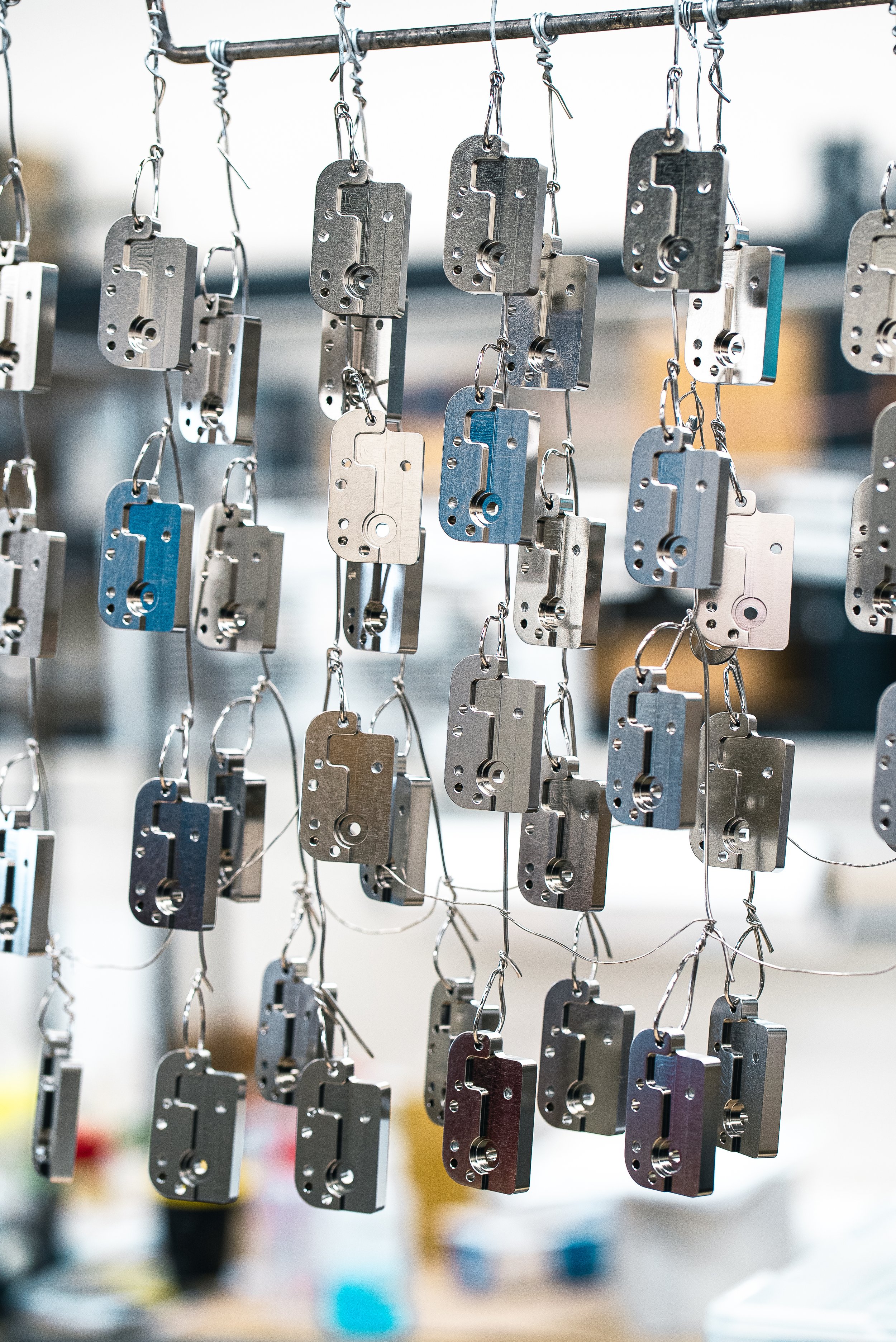
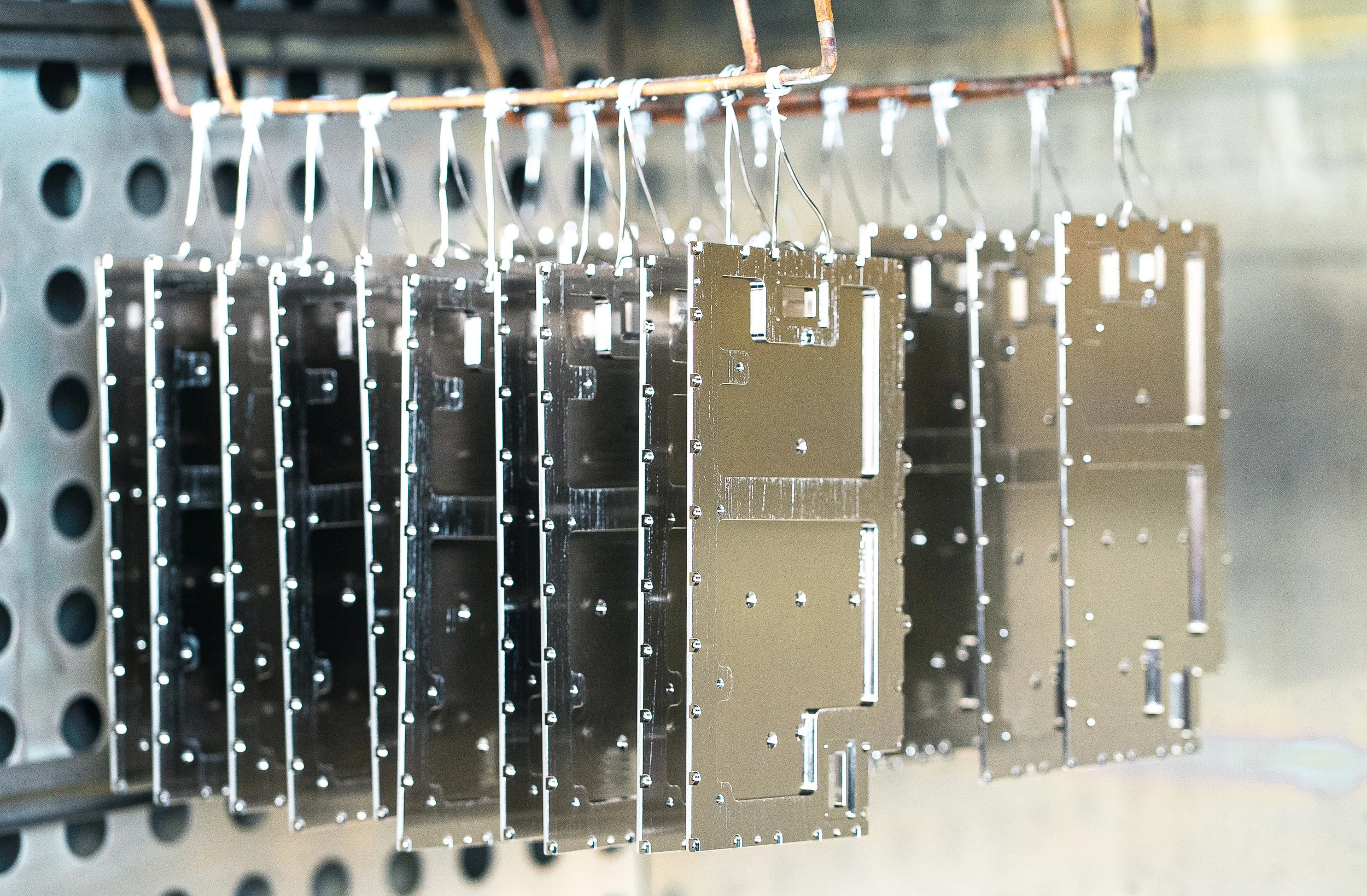
Electroless nickel plating is an advanced metal finishing process that deposits a uniform layer of nickel-phosphorus alloy onto a component's surface through a chemical reaction rather than an electrical current. Because the process does not rely on electricity, electroless nickel plating provides exceptional coverage across complex geometries, internal passages, threads, and hard-to-reach surfaces. The finish is widely recognized for its superior corrosion resistance, wear protection, hardness, and dimensional consistency, making it one of the most versatile and reliable surface treatments available.
At Kion Tech, electroless nickel plating is utilized across aerospace, defense, semiconductor, medical, and commercial industries to enhance component performance and longevity in demanding operating environments. Whether protecting precision machined parts from corrosion, improving wear resistance, or providing a uniform coating on intricate components, electroless nickel delivers dependable results while maintaining tight tolerances. Through strict process controls and rigorous quality standards, Kion Tech provides electroless nickel finishes engineered to meet exact customer specifications and industry requirements.
-
MIL-C-26074
Mid Phos: AMS-C-26074
High Phos: AMS 2404, ASTM B733
-
Mid Phos: $120.00
High Phos: $130.00
-
Mid-Phosphorus vs. High-Phosphorus Electroless Nickel
Mid-phosphorus electroless nickel provides a balance of corrosion resistance, hardness, and wear protection, making it ideal for general industrial, aerospace, and defense applications. High-phosphorus electroless nickel offers superior corrosion and chemical resistance, making it the preferred choice for components exposed to harsh environments. The best option depends on whether wear resistance or maximum corrosion protection is the primary requirement.
-
Uniform Coating Thickness – Provides consistent coverage regardless of part geometry.
Excellent Corrosion Resistance – Protects components from harsh environments and chemical exposure.
Enhanced Wear Resistance – Improves durability and extends component life.
Increased Surface Hardness – Helps resist abrasion, friction, and mechanical wear.
Dimensional Accuracy – Ideal for precision components requiring tight tolerances.
No Electrical Current Required – Allows for complete coverage of complex shapes and internal features.
-
Aerospace Components
Defense Systems
Semiconductor Manufacturing Equipment
Medical Devices
Precision Machined Parts
Valves & Fluid Handling Components
Industrial Equipment
Mold & Tooling Components