
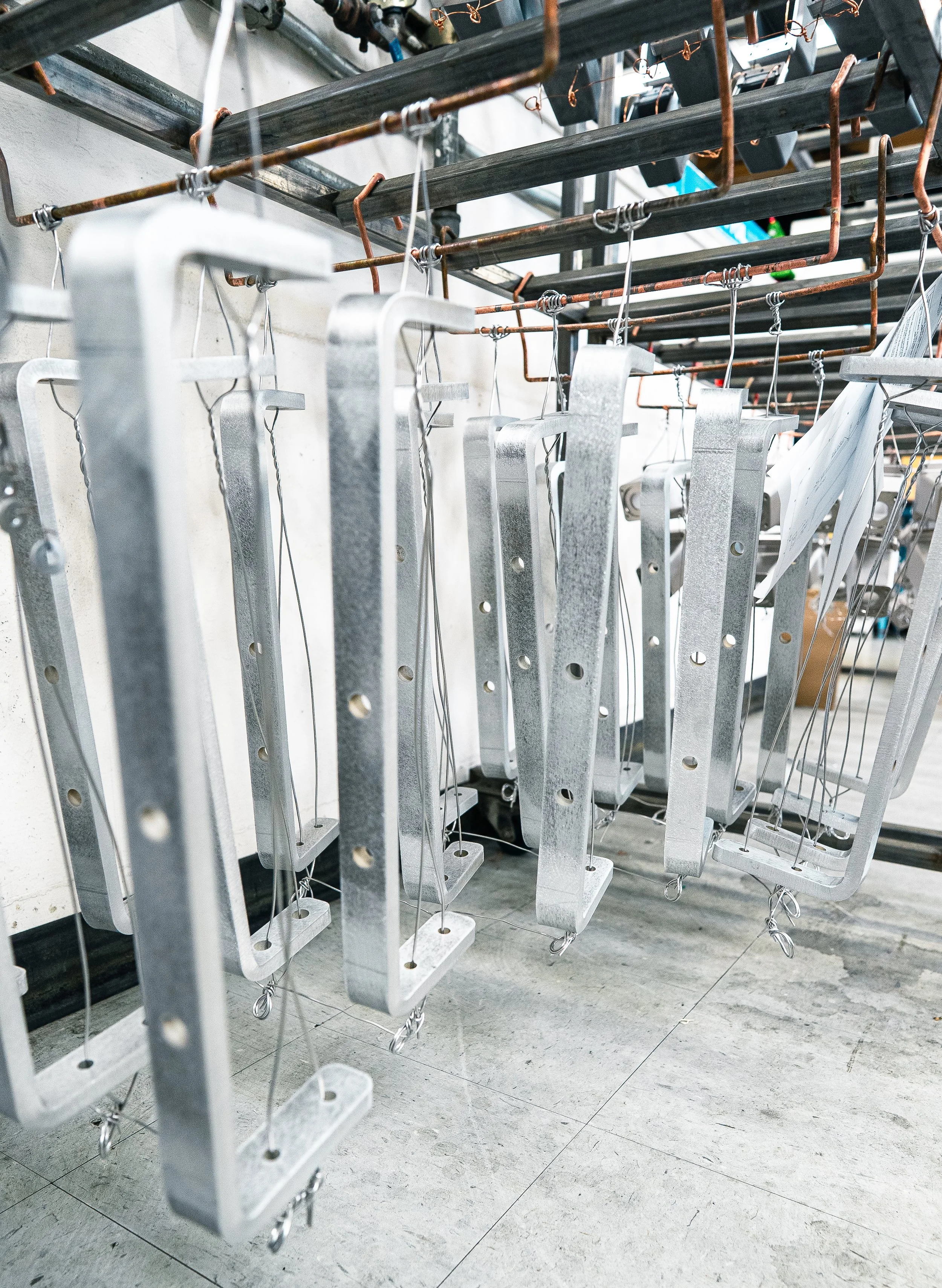
Tin Plating
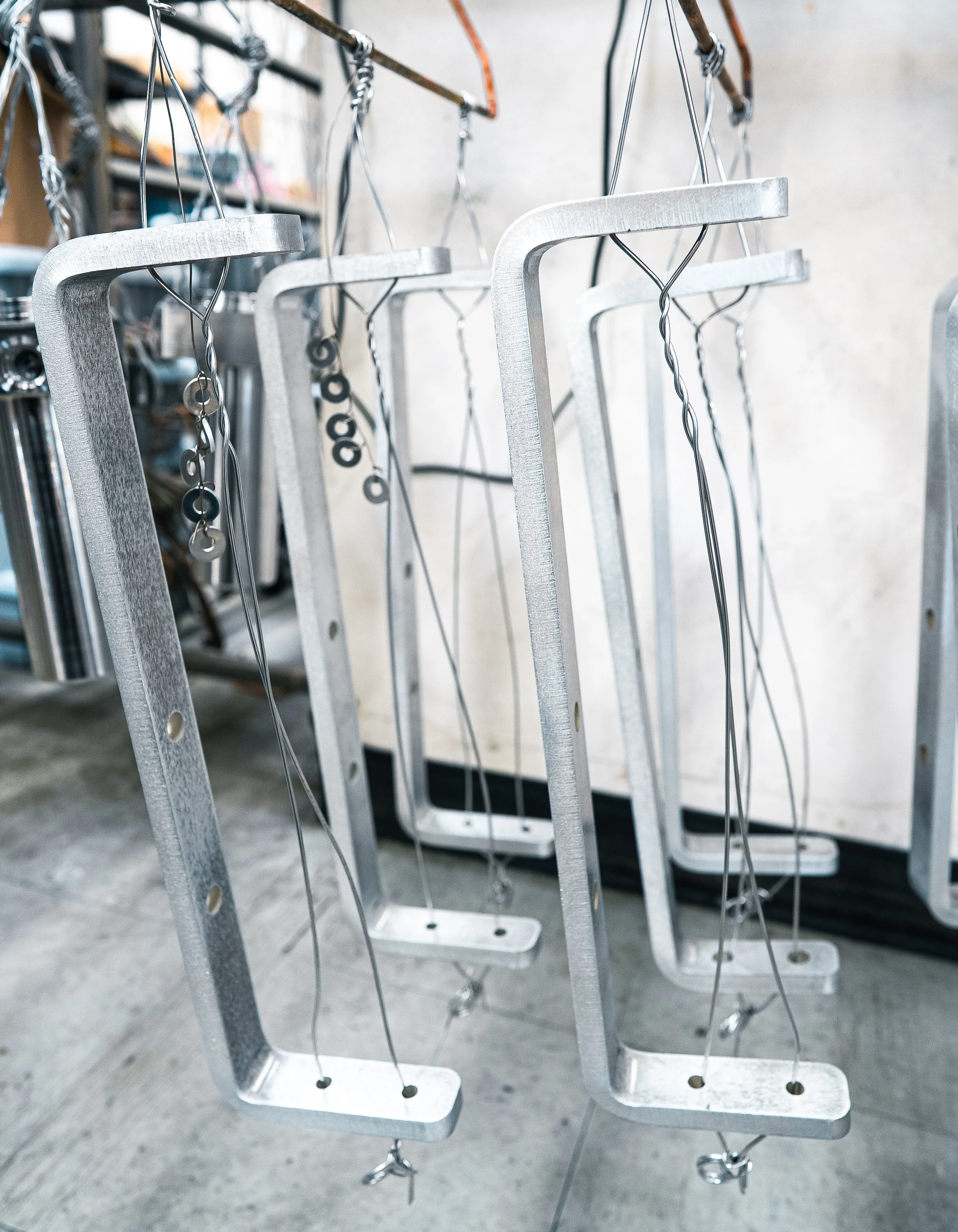
Tin plating is an electroplating process that deposits a thin layer of tin onto the surface of a metal component to improve corrosion resistance, solderability, conductivity, and overall performance. Known for its excellent ability to promote reliable solder joints, tin plating is widely used in electrical, electronic, and industrial applications where dependable conductivity and long-term protection are essential. The finish also provides a cost-effective barrier against oxidation and environmental exposure while maintaining the functionality of the underlying material.
At Kion Tech, tin plating solutions support a wide range of aerospace, defense, semiconductor, medical, and commercial applications. Whether applied to electrical contacts, connectors, terminals, bus bars, or precision machined components, tin plating helps enhance product reliability and manufacturing efficiency. Through controlled processing and rigorous quality standards, Kion Tech delivers tin-plated finishes that meet exact customer specifications and industry requirements for performance, consistency, and durability.
-
Matte: MIL-T-10727
Bright: ASTM-B545
-
$100.00
-
Matte Tin vs. Bright Tin Plating
Matte tin and bright tin plating both provide excellent solderability, corrosion resistance, and electrical conductivity, but they differ in appearance and performance characteristics. Matte tin plating produces a dull, non-reflective finish and is often preferred for applications requiring superior solderability and reduced risk of tin whisker formation. Bright tin plating contains additives that create a smooth, shiny, reflective appearance, making it ideal for applications where aesthetics are important. The choice between matte and bright tin typically depends on whether the application prioritizes maximum solderability and reliability or enhanced visual appearance.
-
Excellent Solderability – Promotes strong, reliable solder connections.
Enhanced Corrosion Resistance – Protects components from oxidation and environmental exposure.
Good Electrical Conductivity – Supports reliable electrical performance.
Cost-Effective Finish – Provides functional protection at an economical cost.
Non-Toxic Surface – Commonly used in electronic and commercial applications.
Improved Component Reliability – Extends service life and performance.
-
Electrical Connectors
Terminals & Contacts
Bus Bars
Printed Circuit Boards (PCBs)
Semiconductor Equipment
Aerospace Components
Defense Electronics
Precision Machined Parts